Digital Twins: Predicting Treatment Before It Is Given
One of the long-standing challenges in clinical care is that treatments are developed using population averages, whereas real patients differ widely in age, physiology, and comorbidities. When starting therapy, clinicians often need to monitor and adjust treatment over time to find the most appropriate dose for an individual patient.
We see the consequences across healthcare systems. Some hospital admissions occur not because a disease worsened, but because a medicine caused an adverse drug reaction. In many cases, clinicians are not making poor decisions; they are working with limited ability to predict how a specific individual will respond. Beyond the clinical danger, this also strains healthcare resources and delays effective treatment. The good news is that a new technological development, “the digital twins,” may begin to change this.
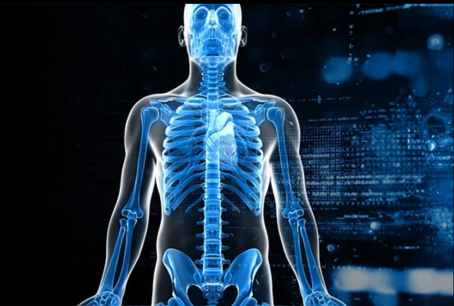
Researchers are now building computer-based models that simulate how a specific patient’s body — or even individual organs and cells — may respond to treatment. Using clinical data, laboratory information, and biological characteristics, these virtual models allow scientists to test how a medicine behaves before it is given in real life. Instead of learning only after a patient reacts to a drug, healthcare may increasingly be able to anticipate those reactions.
The significance is not only technological; it is clinical. If such tools become widely reliable, they could reduce trial-and-error prescribing, improve dosing decisions, and identify potential toxicity earlier. For medicines that carry higher risks — such as chemotherapy, complex chronic therapies, or treatments requiring careful monitoring — the potential impact is considerable.
Developments like this are important because they point toward patient safety. Much of our work centres on strengthening how healthcare systems learn from real-world use of medicine: documenting adverse reactions, improving prescribing practices, and translating evidence into everyday care. Digital twin technologies reflect the same principle— using better information to prevent harm before it occurs.
In essence, while pharmacovigilance often helps us learn from medicines after they are used, innovations such as digital twins can help healthcare providers learn before harm happens.
While the technology is still emerging, it signals an important shift in medicine: moving from reacting to drug safety problems to predicting them. If successful, it could help clinicians choose therapies with greater confidence and allow patients to receive treatment that is not only effective but also safer.
The promise is simple — a future where treatment decisions rely less on uncertainty and more on informed foresight.
Although still in development and not yet part of routine clinical practice, these technologies signal a broader shift in healthcare — from reacting to treatment complications to anticipating them. Together with pharmacovigilance and careful prescribing, such tools may help clinicians make more informed decisions and improve patient safety.