World Kidney Day: Preventing Harm Before Intensive Care
Observed each March globally
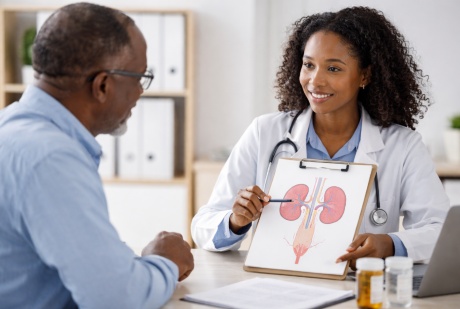
Each March, the world observes World Kidney Day, drawing attention to the growing global burden of kidney disease. While public conversations often focus on dialysis and transplantation, an important and preventable pathway to kidney failure frequently begins much earlier: medicine-related kidney injury.
Many kidney injuries do not begin with rare diseases. They begin with ordinary clinical situations — a pain reliever added to an already complex prescription, a missed drug interaction, an unadjusted dose, or an adverse drug reaction that goes unrecognised. These are not dramatic events; they are routine moments in healthcare. And when they are missed, the consequences accumulate slowly until the patient eventually presents with severe kidney damage. By the time intensive care is required, prevention has already been lost.
At the Qua Pillar Health Research Foundation (QPHRF), our work focuses on stopping that trajectory early. We are a health research and capacity-building organisation dedicated to improving how medicines are used in real clinical practice across low- and middle-income settings, particularly in Africa. Our programs connect clinicians, pharmacists, researchers, regulators, and students around one central goal: patients should benefit from medicines without suffering avoidable harm. Kidney injury caused by medicines is one of the clearest examples of why this goal matters.
Why Do Medicines Matter in Kidney Health?
The kidneys process and eliminate many drugs from the body. When medicines are incorrectly dosed, combined in risky ways, or insufficiently monitored, the kidneys often become the first organ affected. What makes this dangerous is that kidney damage is usually silent. Patients may feel well while the injury progresses. This is why prevention is not simply a clinical preference — it is a necessity for patient safety.
Our Approach: Alternatives to Intensive Care
Our goal is upstream: strengthening the systems that prevent patients from needing intensive care in the first place. We support:
1. Pharmacovigilance — Learning from Harm Before It Repeats
Through our pharmacovigilance trainings, professional workshops, and collaborations with healthcare institutions, we teach healthcare professionals how to recognise, document, and report adverse drug reactions.
Pharmacovigilance is often misunderstood as paperwork. In reality, it is a patient-safety intelligence system. When adverse reactions are documented and analysed, patterns emerge. Those patterns help clinicians adjust prescribing practices, avoid risky drug combinations, and protect future patients.
Simply put: every reported adverse reaction is an opportunity to prevent the next one.
2. Rational Medicine Use — Treating Without Creating New Illness
A patient can receive the correct medicine and still be harmed if dosing, duration, or monitoring are inappropriate. Rational use of medicines is vital to ensure that medicines are prescribed only when necessary, in the right dose, for the right patient, with appropriate follow-up.
In the context of kidney health, this matters enormously. Preventable drug-related kidney injury is not rare; it is often a systemic problem. When prescribing practices improve, kidney outcomes improve.
The safest dialysis is the dialysis that never becomes necessary.
3. Clinical Responsibility and Team-Based Care
Many medicine-related kidney injuries occur not because of a single error, but because responsibility is unclear. Who is monitoring? Who reviews the full medication list? Who recognises a reaction early?
Our training emphasises shared accountability between doctors, pharmacists, nurses, and healthcare institutions. Better documentation, communication, and monitoring create safer care. Strong systems protect both patients and professionals. World Kidney Day reminds us that kidney health does not begin in nephrology clinics or intensive care units. It begins much earlier — in everyday prescribing decisions, medication monitoring, documentation, and communication among healthcare professionals. Dialysis and critical care remain essential and lifesaving, but they are responses to advanced disease. Preventing avoidable harm related to medicine ensures that fewer patients ever reach that stage. Improving how medicines are used is therefore not only a clinical priority, but a patient safety responsibility.